Box Styles & Construction · 6 min read
Rigid boxes vs folding cartons: which should your product be in?
The two constructions behind most custom product packaging solve different problems. Here is how to choose between them on weight, price point, delivery and feel.
The short answer
A folding carton is cut from a single sheet of paperboard, ships flat and folds at packing; a rigid box is built from thick greyboard panels and arrives assembled. Choose a carton for retail products sold on price and volume, and a rigid box when weight in the hand is part of what the customer is buying. The deciding factors are price point, product weight, how it reaches the customer, and whether the box will be kept.
Almost every custom product box is one of two things: a folding carton or a rigid box. They look similar in a catalog and behave completely differently in the hand, on the shelf and on the invoice. Choosing the wrong one is the most common packaging mistake we see — usually a rigid box specified for a product that a carton would have served better, or a carton asked to feel like a gift.
What a folding carton is
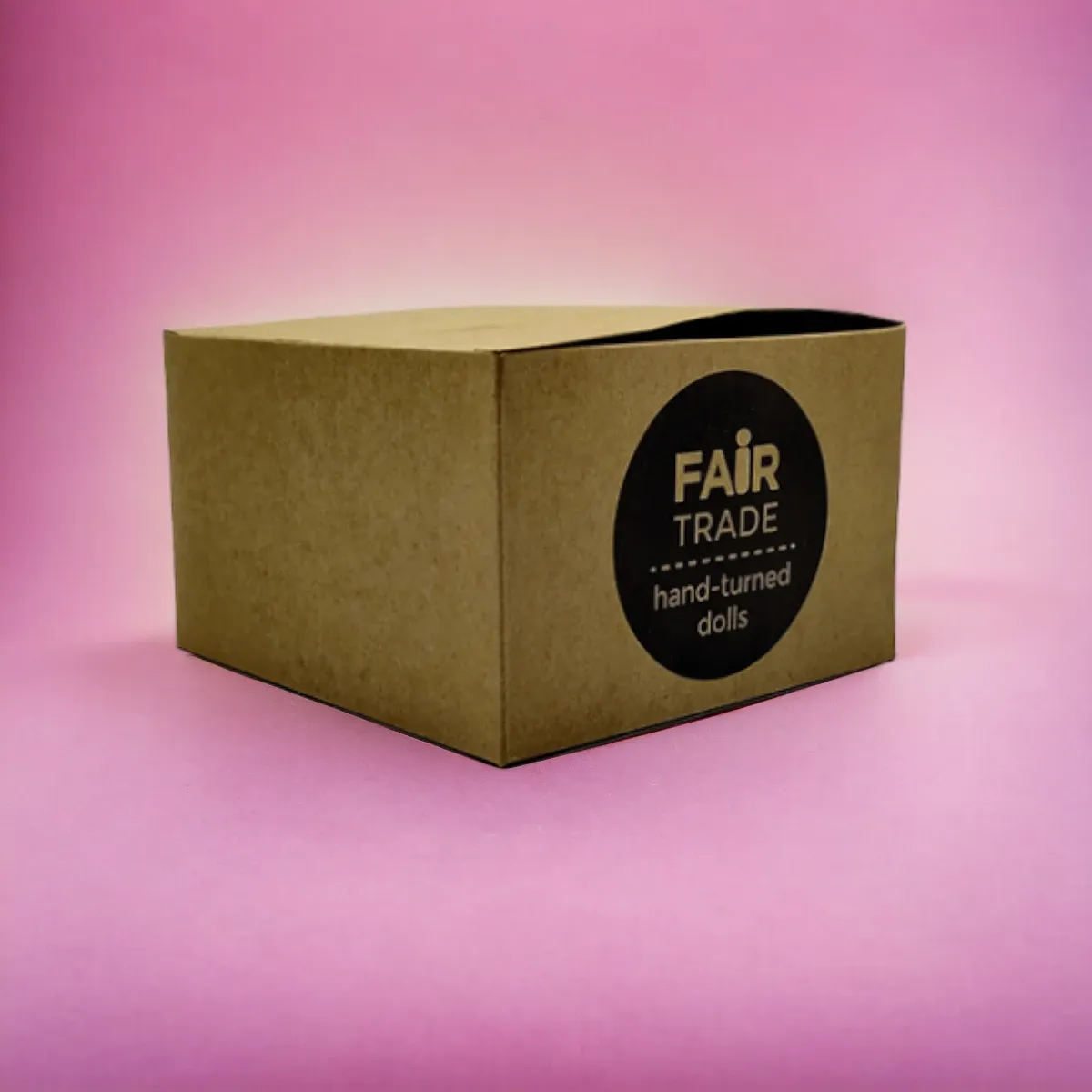
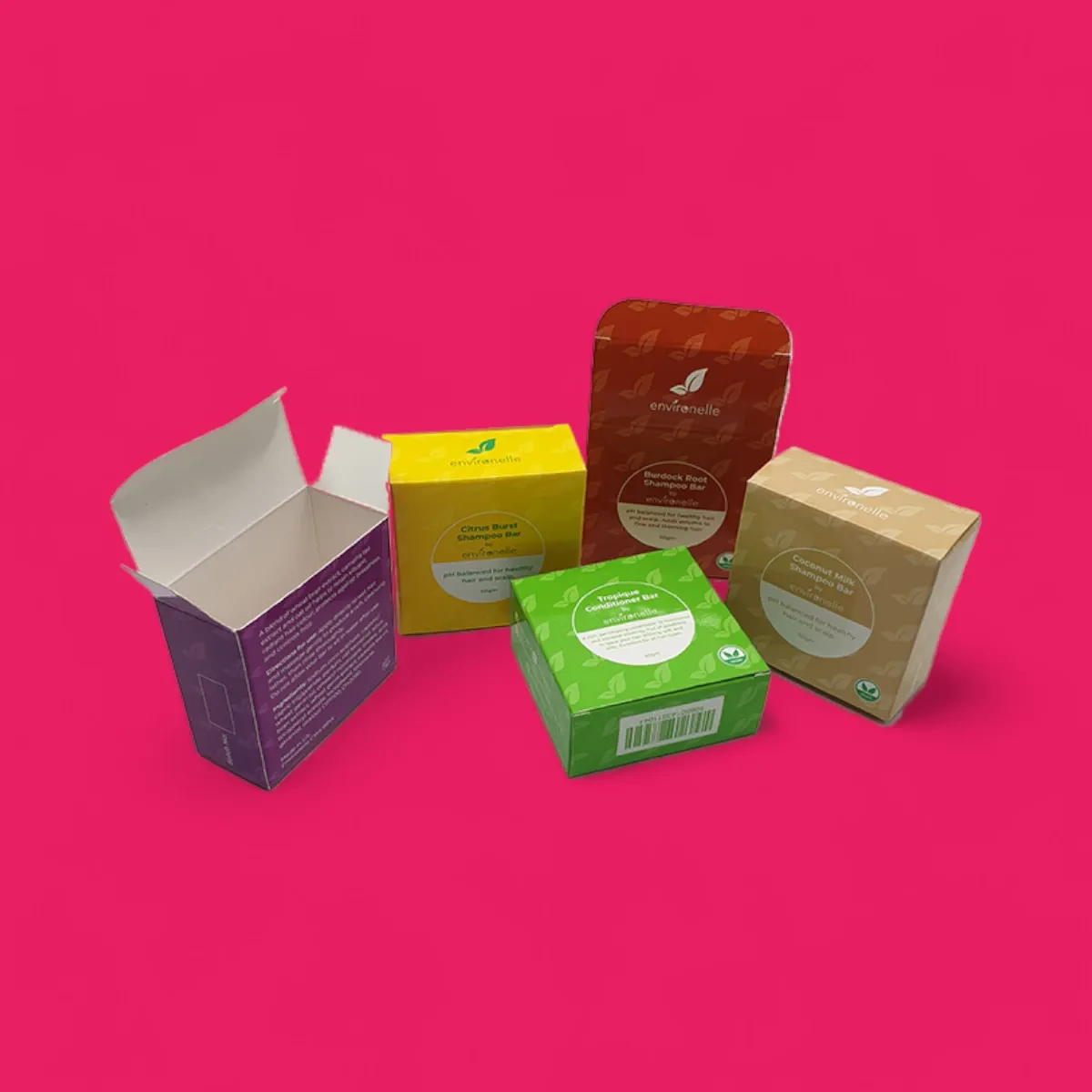
A folding carton is cut from a single sheet of paperboard — usually SBS, sometimes kraft or recycled board — scored along the fold lines and glued at one seam. It is delivered flat and erected at packing, by hand or on a machine. The board itself is printed, so the whole surface is the canvas, and it takes every finish from soft-touch lamination to foil and embossing.
Because it ships flat and folds quickly, the folding carton is the lowest-cost custom box at volume. It is what most retail products are sold in: cosmetics, supplements, food, small electronics, toys.
What a rigid box is
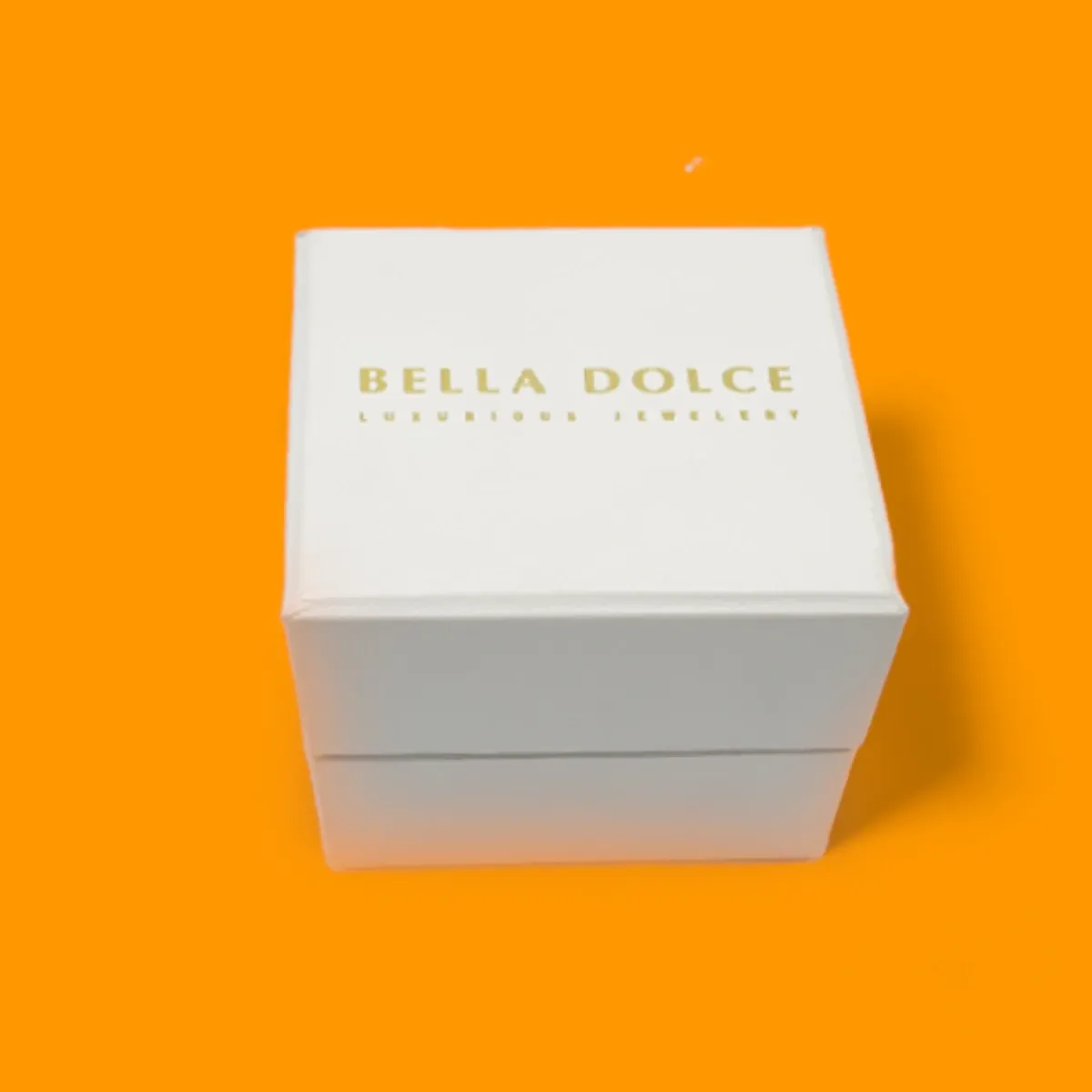
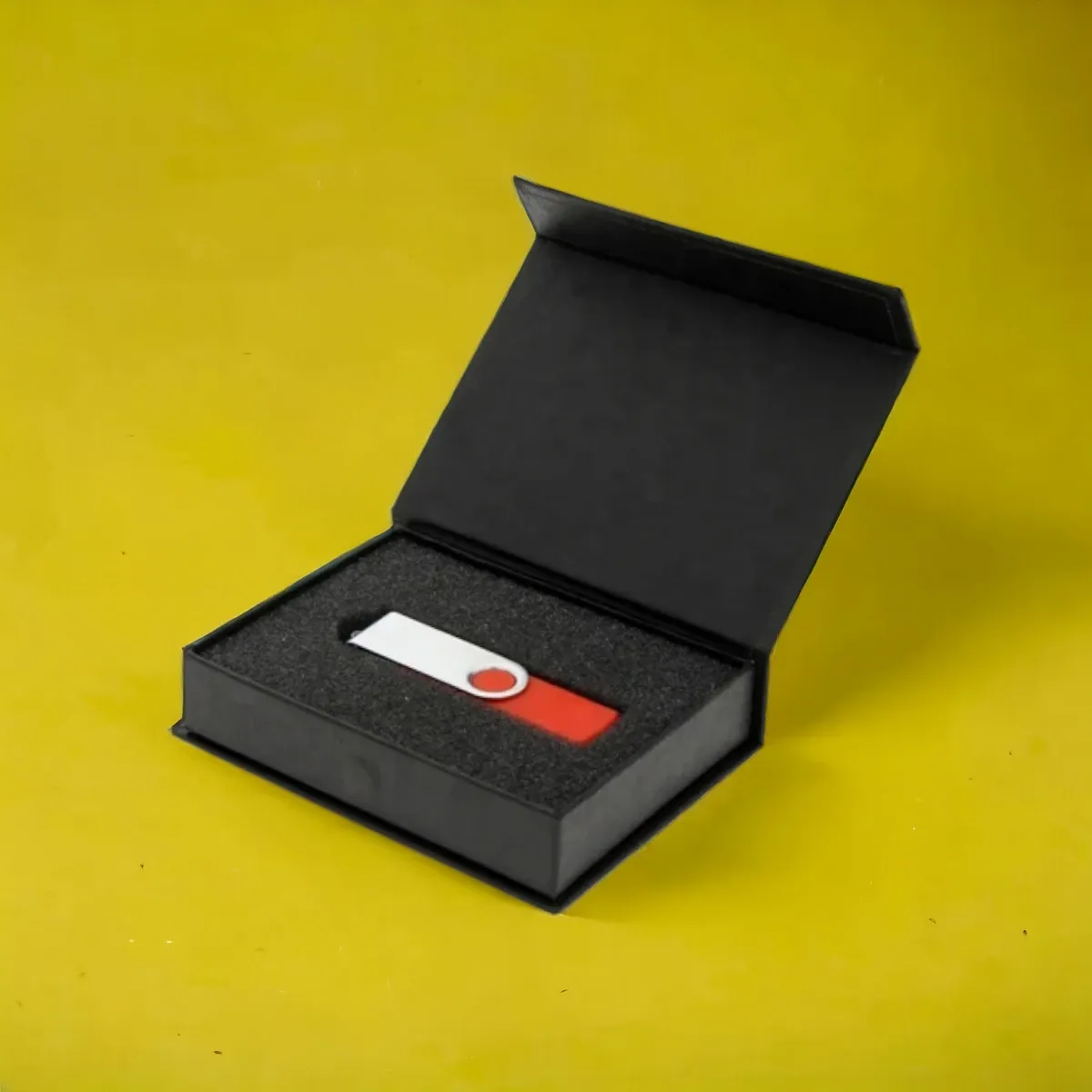
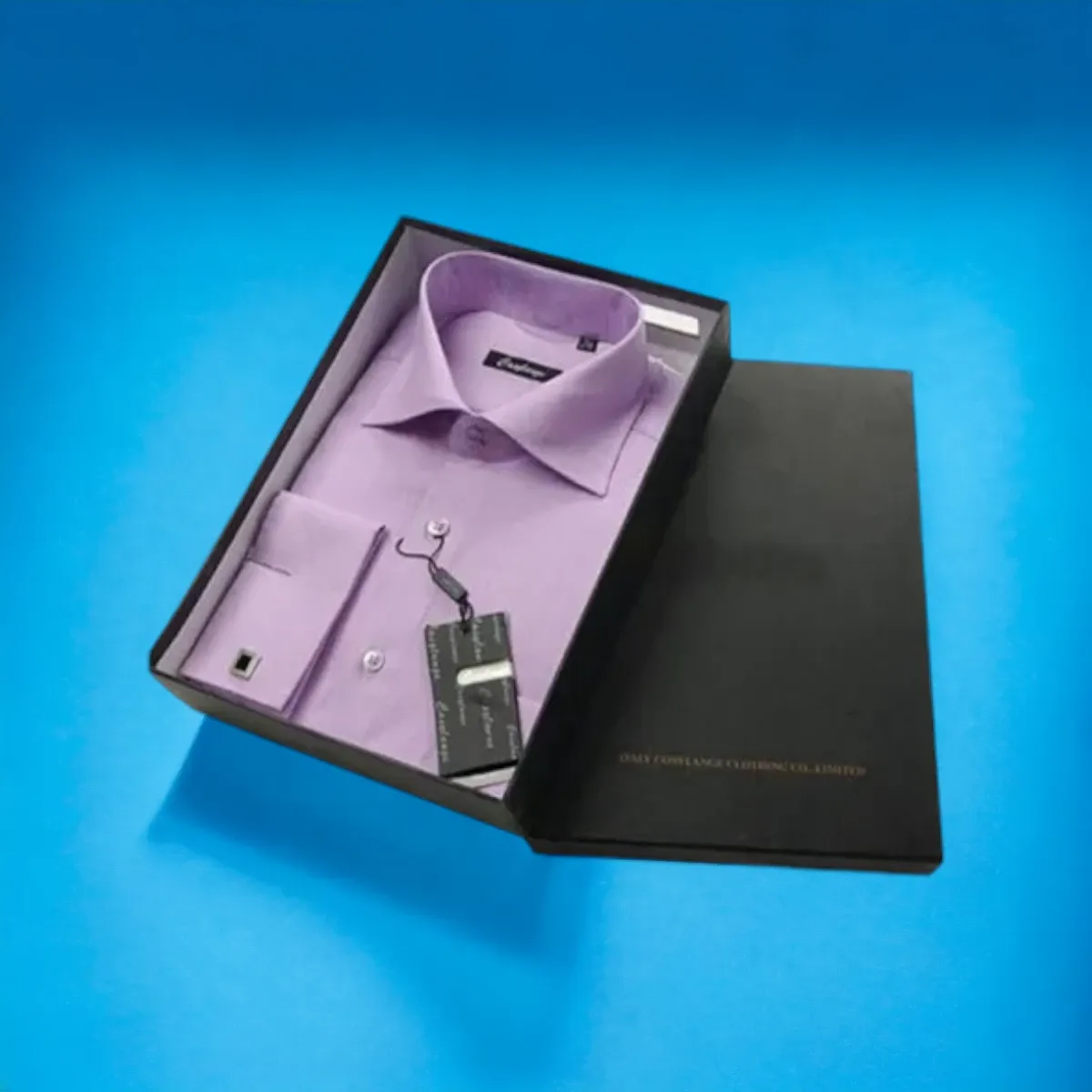
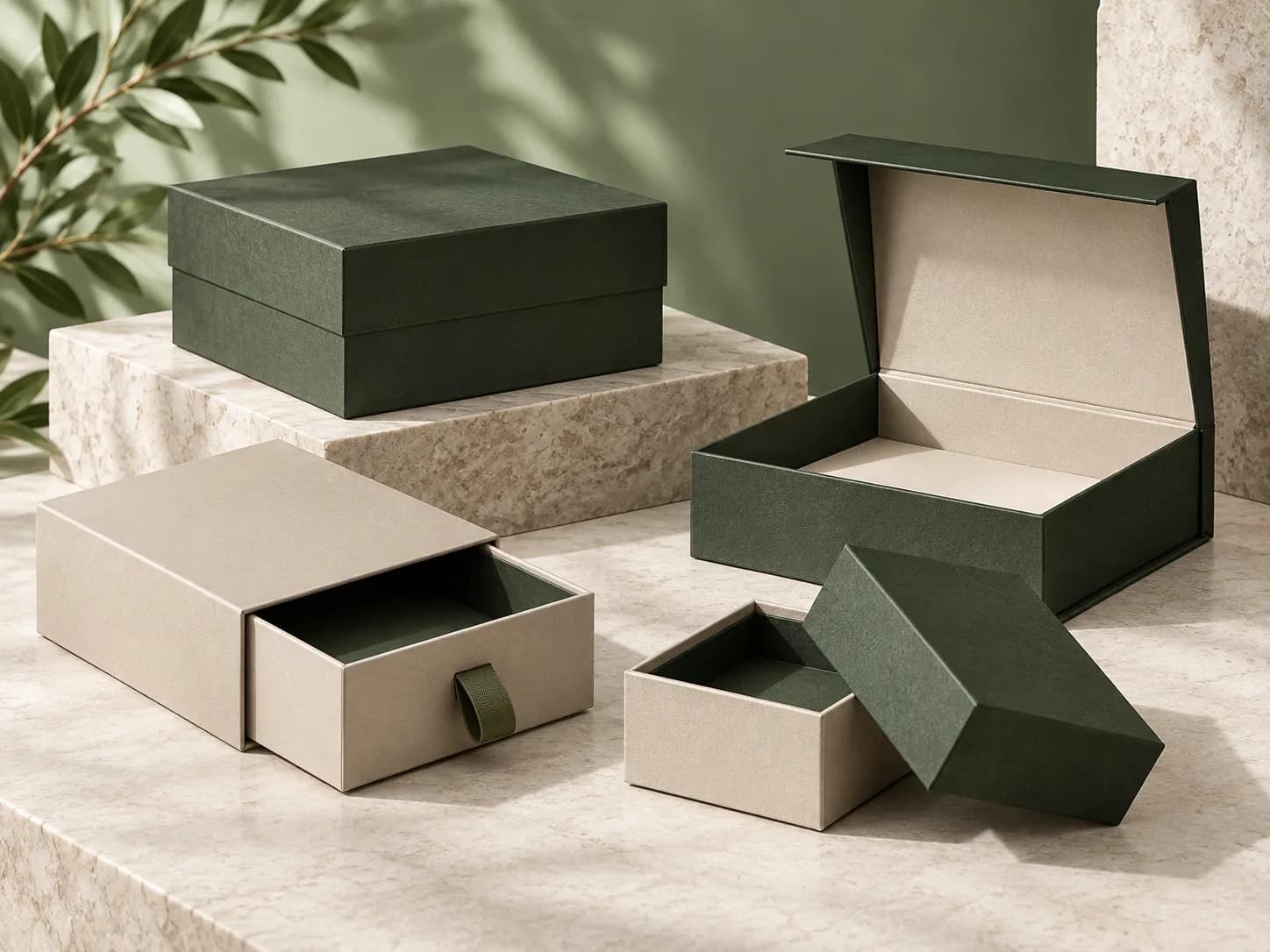
A rigid box — a set-up box — is built from thick greyboard, cut into panels, glued into shape and then wrapped in a printed or specialty paper. It arrives assembled, holds its shape under weight and has a hard, square edge you can feel. The wrap carries the print; every finish is applied to the wrap before it is laminated to the board.
That construction costs more — more material, hand assembly, bulk in transit — and delivers what a carton cannot: weight in the hand and a lid that lifts with resistance. It is the construction for jewelry, fragrance, spirits, premium electronics and gifting.
The comparison
| Folding carton | Rigid box | |
|---|---|---|
| Construction | One sheet of paperboard, die-cut and glued | Greyboard panels, glued and paper-wrapped |
| Delivered | Flat; folds at packing | Assembled (or collapsible magnetic) |
| Feel | Crisp, light | Heavy, hard-edged |
| Directly on the board | On the wrap paper | |
| Finishes | All | All, on the wrap |
| Unit cost at volume | Lowest | Highest |
| Freight and storage | Efficient | Bulky unless collapsible |
| Typical products | Retail goods, cosmetics, food, supplements | Jewelry, fragrance, spirits, gifts, electronics |
How to decide
Start with the price point
A rigid box adds meaningfully to the cost of a low-priced product and adds nothing to the perception of a product that is already sold on the shelf. If the product retails for a few dollars, it belongs in a carton. If it is a considered purchase or a gift, a rigid box earns its cost.
Then the weight
Heavy products in glass — candles, spirits, jars — need either a rigid box or a heavy-gauge carton with a locking base and an insert. Light products almost never need rigid board for protection; if they get it, it is for feel.
Then how it reaches the customer
A carton on a shelf is protected by the shelf. A carton sent by courier needs an outer mailer. A rigid box travels better on its own but takes more space. If most of your sales are online, a printed mailer with a carton or insert inside is usually the efficient answer.
Then the feel you are paying for
If the box will be kept — a jewelry box, a candle box on a shelf, a gift — rigid. If it will be opened and recycled, carton. There is no shame in either; there is only the product.
The middle ground
Two constructions sit between the extremes. A heavy-gauge carton — 24pt SBS with an auto-lock base and a die-cut insert — gives much of a rigid box's presence at carton cost and ships flat. A collapsible magnetic rigid box gives the rigid feel with flat delivery. Both are worth asking about when the product is premium but the volume is high.
What to send us
- The product's dimensions and weight (or a photo with a ruler)
- How it is sold: shelf, online, gifted
- Quantity
- Any finish or structure you have in mind
- Your logo or artwork
From that we recommend a construction, issue a dieline and quote both options if the choice is genuinely close.
Questions
Related questions.
Anything not covered here, put it in the notes on your quote and we will answer it directly.
Ask on your quoteIs a rigid box always better quality?
No — it is heavier and feels more premium, but a well-printed folding carton with the right finish is the correct choice for most retail products.
Can a folding carton feel premium?
Yes. Heavier board, soft-touch lamination, foil and an insert take a carton a long way. It will still be light in the hand.
Which is more sustainable?
Both are paper-based. A carton uses less material and ships flat; a rigid box is often kept and reused. Local recyclability depends on finishes.
Keep reading
Related guides.
Packaging covered in this guide
Put it into a quote.

Start here
Send us your dimensions. We’ll send back a box.
Or talk to a packaging specialist: (209) 444-0744