Printing & Finishes · 8 min read
Packaging finishes explained: lamination, foil, emboss, spot UV and windows
What each finish does, what it looks like, what it combines with and when to specify it. The short reference for anyone briefing a custom box.

The short answer
Finishes are applied after printing to change how a box looks and feels: lamination protects and sets the sheen, foil stamping adds metallic detail, embossing and debossing add relief, spot UV adds selective gloss, and a window reveals the product. Most finishes combine, but each adds a production step, so specify the ones that do real work for the product.
Print puts the artwork on the box. Finishing decides how the box feels, how it catches light and how long the print survives handling. Most premium packaging uses two or three finishes together — a lamination as the base, then foil or spot UV or an emboss on the mark. This guide explains each so you can brief them with confidence.
Lamination
A clear film bonded over the printed sheet. It protects the print and sets the surface. Matte flattens glare and hides fingerprints; gloss saturates color; soft-touch adds a velvet feel that has become the premium default for beauty, candles and gifting. Lamination is also the base other finishes sit on.
Foil stamping
A heated die presses metallic or pigmented foil onto the board — gold, silver, copper, rose gold, black, holographic. The result is a mirror-bright mark no ink can reproduce, with a slight impression the hand can feel. Best on matte or soft-touch backgrounds; supply the artwork as solid vector shapes, not hairlines.
Embossing and debossing
A die and counter-die press the board to raise a shape (emboss) or recess it (deboss). Blind — with no ink or foil — it is one of the quietest, most confident finishes available. In register with print it lifts the artwork; combined with foil it gives a raised metallic mark. Thicker, softer stocks take a deeper impression.
Spot UV
A clear varnish printed onto selected areas and cured instantly under UV light. Against a matte base the varnished areas shine — a logo, a pattern, a name. Raised spot UV builds the varnish so the shape stands proud. Supply it as a separate vector layer.
Window patching
A die-cut aperture with a clear film glued behind it, so the product is visible without opening the box. Any shape. Open windows without film suit soap and dry goods; filmed windows suit food and cosmetics.
Aqueous coating and varnish
A water-based coating applied on press, in matte or gloss. Lighter protection than lamination, no film, and often preferred where recyclability messaging matters.
Which finishes go together
| Base | Add | Effect |
|---|---|---|
| Matte lamination | Foil | Metallic mark against a flat field |
| Soft-touch lamination | Spot UV | Gloss on velvet — strong contrast |
| Soft-touch lamination | Foil + deboss | Raised or recessed metallic on a velvet surface |
| Gloss lamination | Nothing | Spot UV disappears on gloss; keep it clean |
| Uncoated kraft | Foil or blind emboss | The craft-premium look |
| Any | Window | Product visible; keep board strong around the aperture |
How to brief a finish
- Say what the finish is for: the logo, a pattern, the whole surface.
- Name the base: matte, gloss, soft-touch or uncoated.
- Supply finish artwork as separate vector layers (foil, spot UV, emboss).
- Tell us the stock — some finishes need heavier board.
- Ask for a sample if the combination is new to you.
Questions
Related questions.
Anything not covered here, put it in the notes on your quote and we will answer it directly.
Ask on your quoteWhat is the most premium-feeling finish?
Soft-touch lamination with a foil or debossed mark. It is the finish most beauty and gifting brands specify.
Can finishes go on kraft?
Yes. Foil and blind emboss are especially strong on natural kraft; lamination changes its look.
Do finishes affect recyclability?
Film lamination and foil can affect local recyclability of paperboard. Aqueous coating and blind emboss do not add material.
What is the difference between matte, gloss and soft-touch lamination?
All three are a clear film bonded over the print. Matte gives a flat, low-glare surface that hides fingerprints; gloss gives a shiny surface that makes colors look more saturated; soft-touch gives a matte surface with a velvety feel. Foil, spot UV and embossing can be added on top of any of them.
Is aqueous coating the same as lamination?
No. Aqueous coating is a water-based liquid applied on press, in matte or gloss, and adds light protection without a film. Lamination is a plastic film bonded to the sheet; it protects the print more strongly and sets the feel of the surface.
Which finishes are included in the price?
Lamination is included on every printed order. Foil stamping, embossing and debossing, spot UV and windows are specified per job and priced on your quote, so name the finishes you want and the panels they go on when you request it.
Keep reading
Related guides.
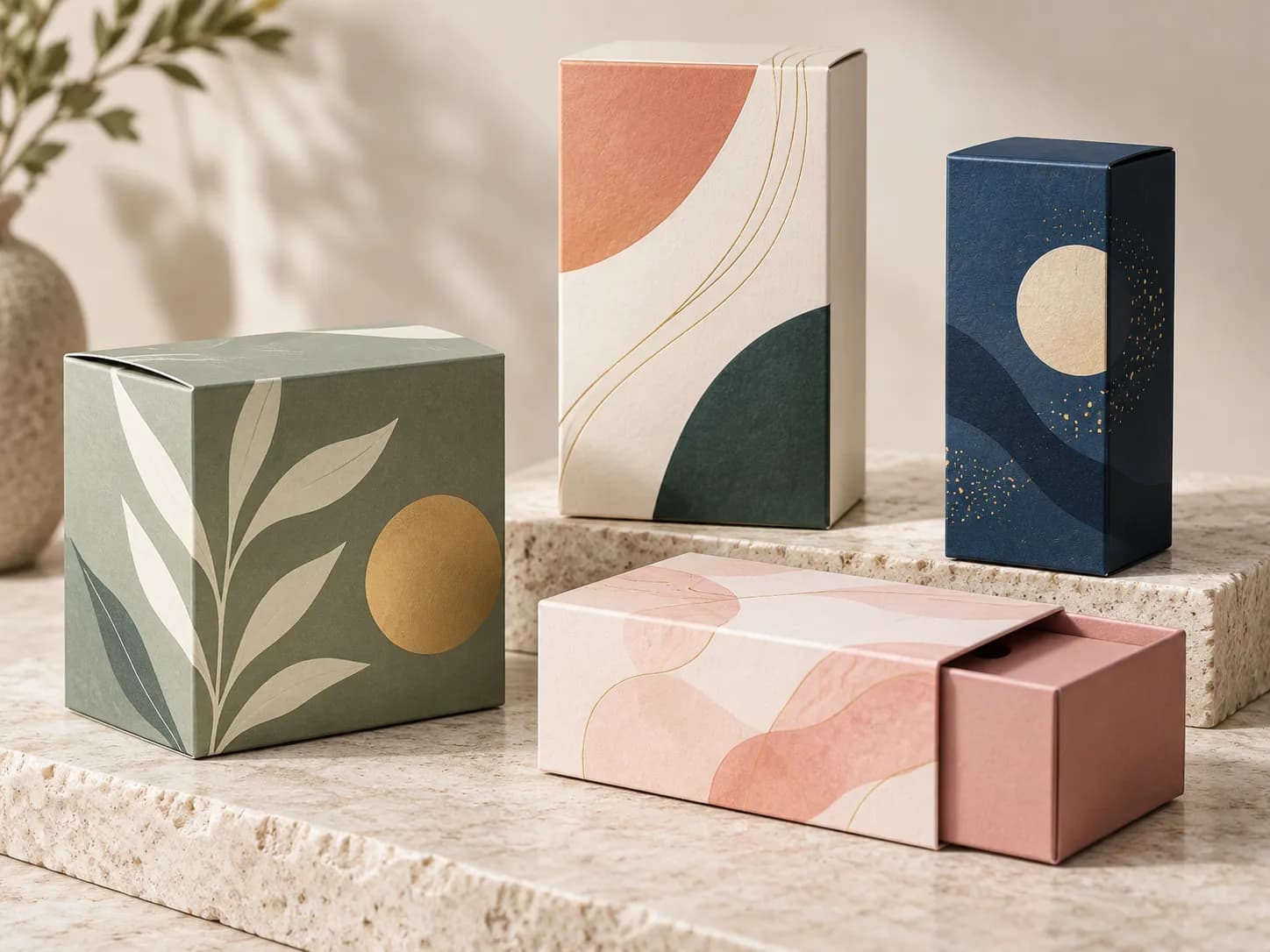
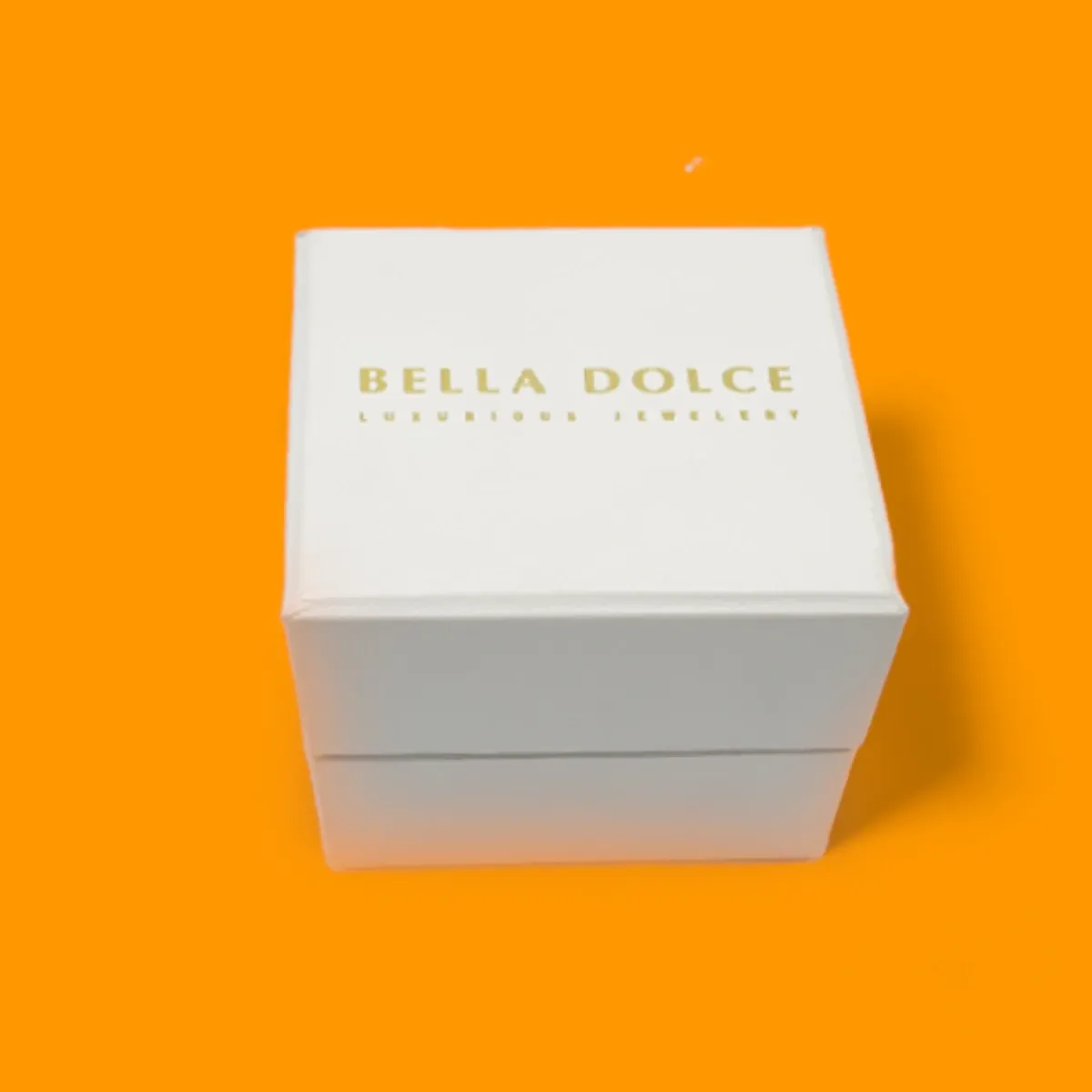
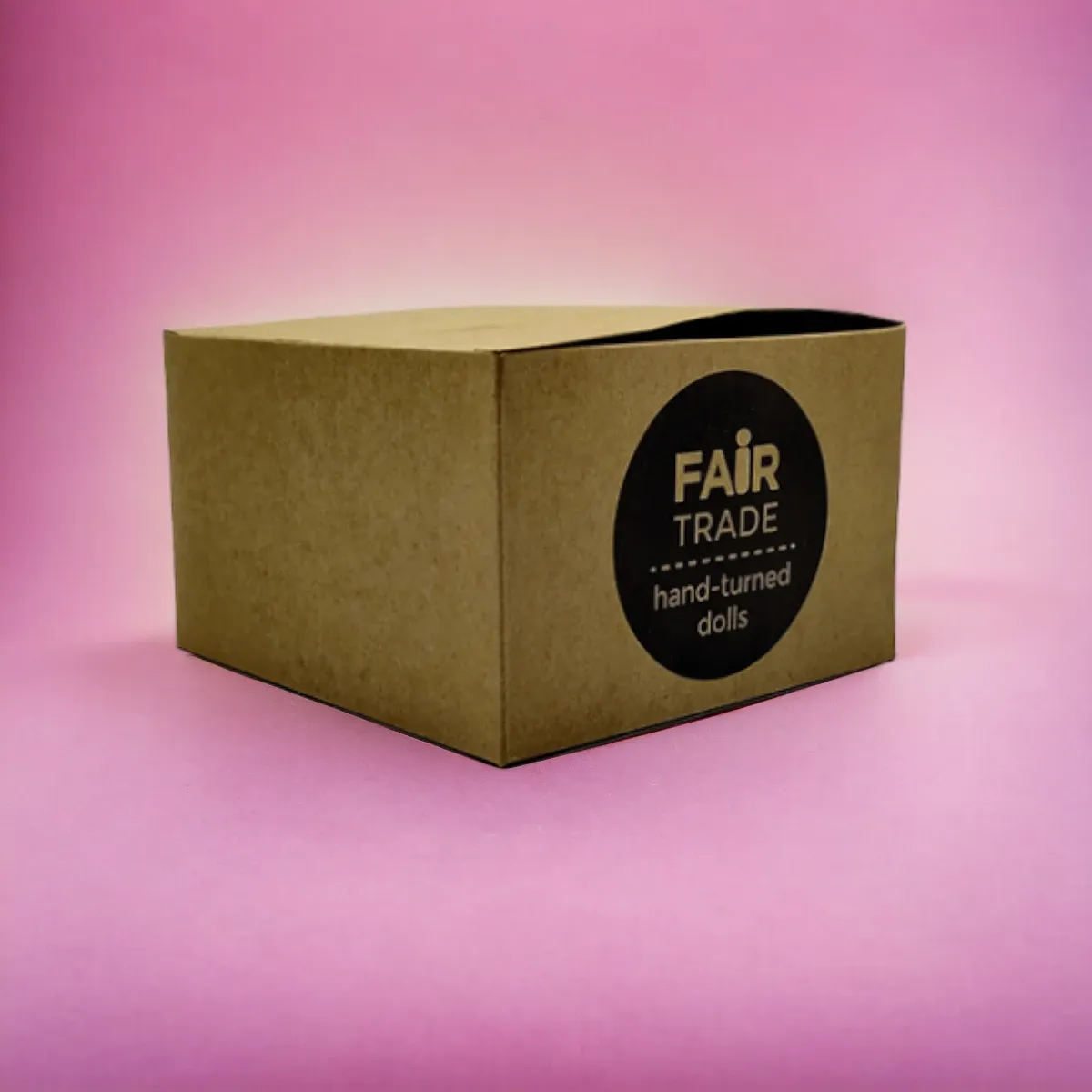
Packaging covered in this guide
Put it into a quote.
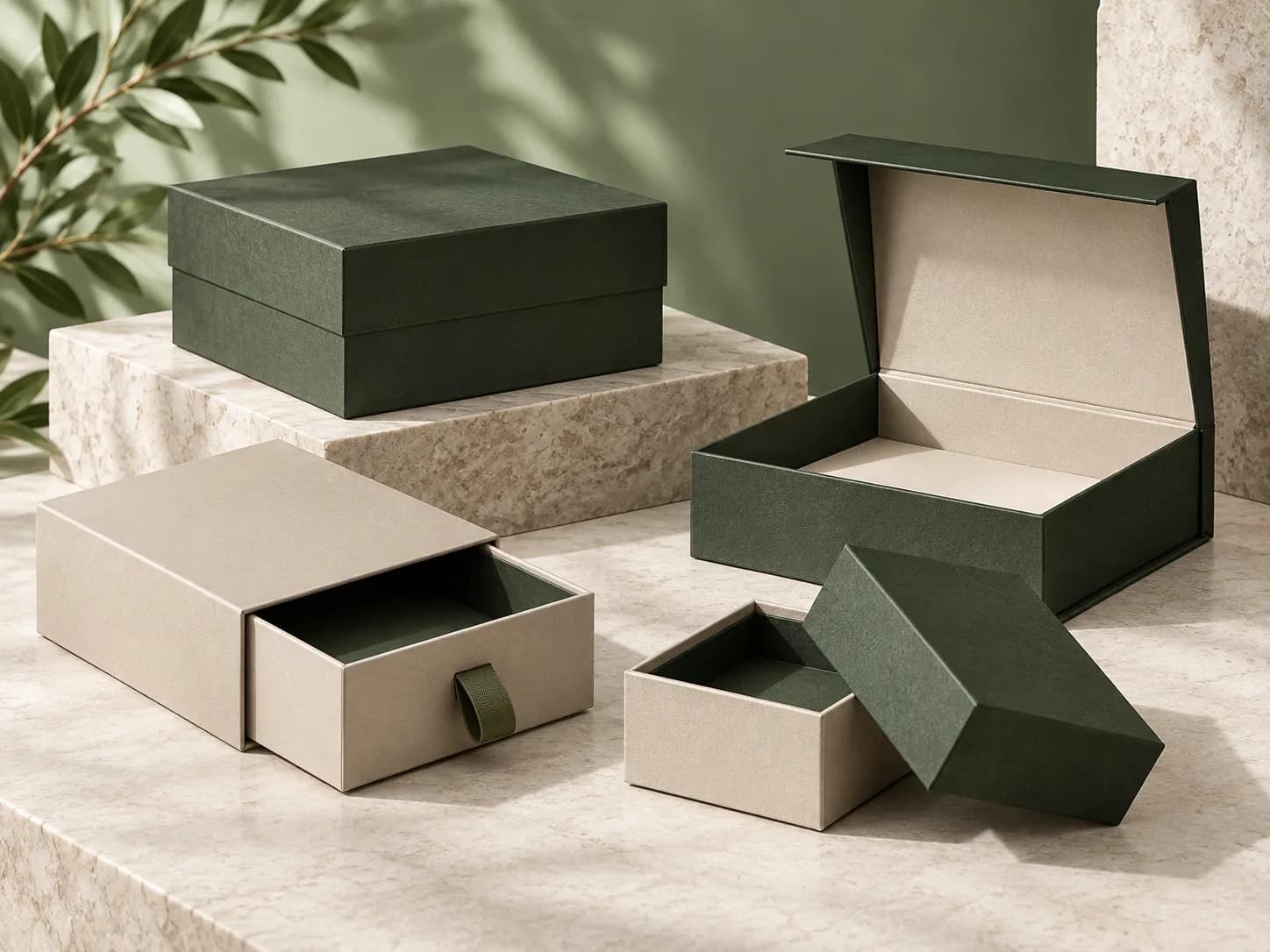

Materials, finishes and industries in this guide
Start here
Send us your dimensions. We’ll send back a box.
Or talk to a packaging specialist: (209) 444-0744