Packaging Buying & Procurement · 7 min read
Custom packaging reorders: maintaining color and quality between runs
Two runs of the same box can look subtly different, and customers notice on the shelf. Why variation happens, what to control, and how to set up a reorder that matches the one before it.
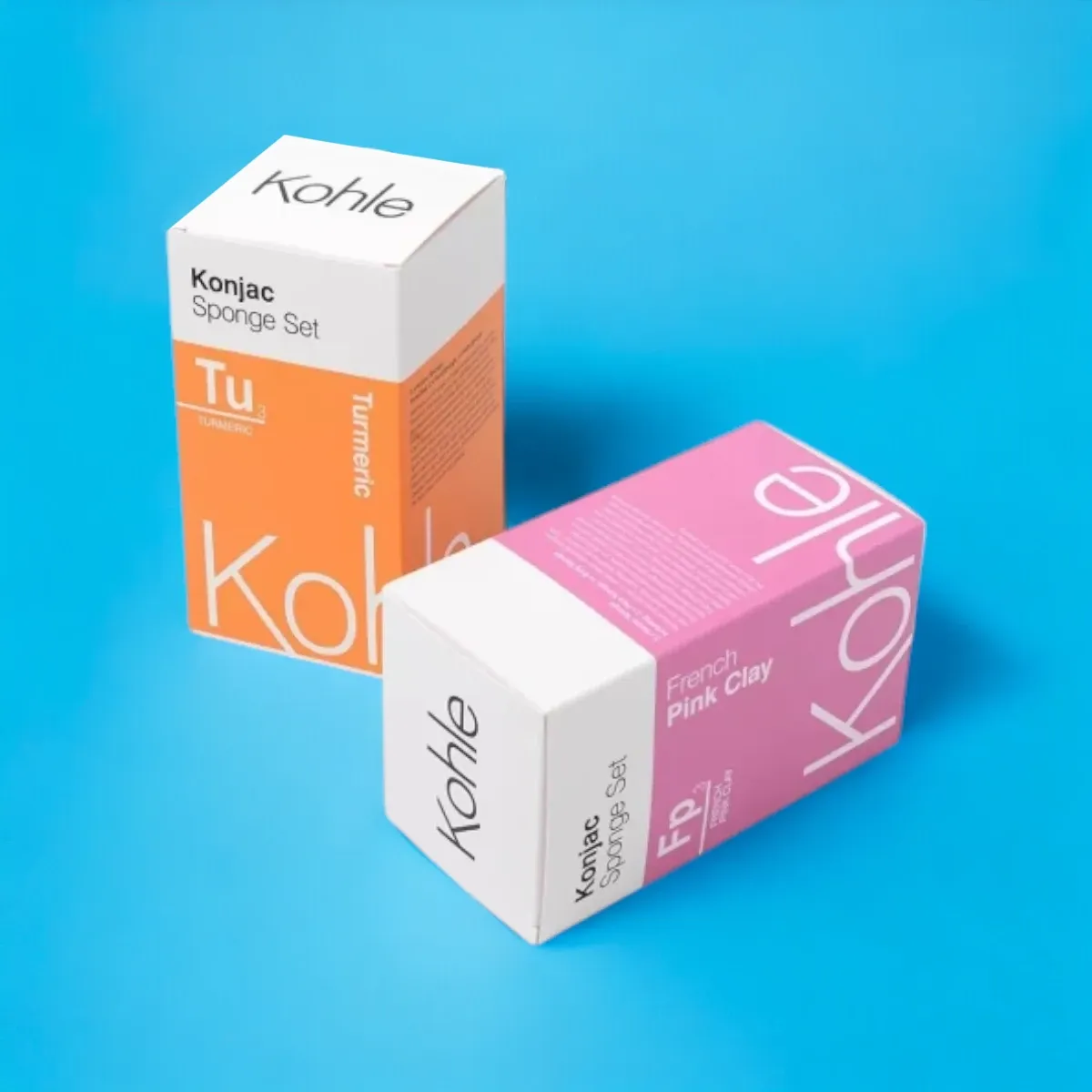
The short answer
Packaging varies slightly between runs because board, ink, coatings and press conditions are never exactly identical. Controlling it means specifying brand colors as named Pantone references rather than a CMYK build, keeping a signed physical reference sample at both your site and the supplier's, agreeing in writing what variation is acceptable and how it will be judged, and reordering the identical specification rather than an approximate one. Re-approve the reference periodically, because materials change over time.
The first run looked right. The second run looks... nearly right. Side by side on a shelf, or in a customer's hands next to a box they bought three months ago, "nearly" is visible.
Some variation between runs is inherent to printing on paper. The question is how much, and whether it is controlled or left to chance.
Why runs differ
- Board varies. Paper is a natural product. Shade, surface and absorbency differ slightly between batches, and ink sits differently on each.
- Ink and coatings vary. Mixed inks are matched to tolerance, not to perfection, and coatings shift the apparent color of what is under them.
- Press conditions vary. Ink density, speed, temperature and humidity all move within a normal operating range.
- Time passes. Your reference sample ages. Paper yellows slightly, laminates change over years, and the thing you are matching to is itself moving.
- Specifications drift. Someone substitutes a board, or a finish is described differently on the second purchase order.
What to control, in order of impact
1. Specify color as named Pantone references
A brand color specified as a named Pantone reference is a mixed ink formula. A brand color built from CMYK is a combination of four screens, and combinations drift more than a mixed ink does.
If a color carries your brand, name it. Record the reference in your specification document so it cannot be lost between purchase orders.
2. Keep a signed physical reference
An approved pre-production sample, signed and dated, is the only thing that settles a color argument. Words cannot.
- Keep one at your site and one at the supplier's.
- Date and sign both.
- Store them out of daylight, which fades print.
- Re-approve periodically — an aged reference is not a fair target.
3. Agree the tolerance in writing
Agree what acceptable variation is and how it will be judged: against the approved physical sample, under consistent lighting, by named people. Vague agreement is the same as no agreement, and it only becomes visible when a delivery is already in your warehouse.
4. Reorder the identical specification
A reorder that changes the board, the caliper, the laminate or the print method is not a reorder. Each of those changes how color reads, even when the ink reference is unchanged.
Keep a written specification sheet — construction, internal dimensions, board and caliper, print method, named colors, each finish and its area, insert — and order against it verbatim.
Things that quietly cause mismatches
| Cause | Why it happens | Prevention |
|---|---|---|
| Compared against a faded sample | The reference sat in daylight | Store references in the dark; re-approve periodically |
| Board substituted | A grade was unavailable or swapped for cost | Specify board and caliper explicitly on every order |
| Finish changed | "Matte" interpreted as coating rather than laminate | Name the exact finish, not a description |
| Print method changed | Quantity moved across the digital/offset crossover | Ask before the method changes; expect a new sample |
| Color judged on screen | Approval done from a photograph | Judge physical against physical, under consistent light |
| No agreed tolerance | Nobody defined acceptable | Agree it in writing before the first run |
Setting up a reorder that works
- Send the written specification, not "the same as last time".
- Reference the approved sample by date.
- Ask whether anything has changed at the supplier's end — board availability, method, coatings.
- Ask for a new sample if the quantity has moved enough that the print method might change — see digital vs offset printing.
- Confirm the overrun and underrun tolerance again.
- Check the delivery against the reference on arrival, while you still have recourse.
If a delivery does not match
- Raise it immediately, before the packaging is used.
- Compare physical against physical, under consistent lighting.
- Be specific: which color, which panel, which finish, how it differs.
- Refer to the agreed tolerance — which is why agreeing one matters.
- Agree what happens: rework, credit, or acceptance with a revised reference going forward.
The short version
Name your colors, keep a signed physical reference at both ends, agree the tolerance in writing, and reorder the identical specification rather than an approximate one. Variation is normal; uncontrolled variation is a choice.
Send your specification for a reorder quote and reference your approved sample by date.
Terms used in this guide
- Pantone
- A standardized color matching system in which each color has a number and a mixed ink formula. Specifying a Pantone color is how a brand color is held consistent between print runs, rather than relying on a CMYK build.
- Color proof
- A sample produced before the full run to confirm how the artwork will actually print. A digital proof checks layout and content; a press proof or a physical sample checks color, board and finish on the real material.
- Pre-production sample
- A physical sample made on the specified board and process before the full run is authorized, so structure, fit, color and finish can be checked on the real material rather than on screen.
- CMYK
- The four process inks — cyan, magenta, yellow and black — that are overprinted as screens to reproduce full-color images. Packaging artwork is supplied in CMYK, not RGB, because RGB colors cannot all be reproduced in ink.
- Lamination
- A thin film bonded to the printed surface to protect it and set its sheen. Gloss lamination lifts color and reflects light; matte lamination flattens reflection; soft-touch lamination adds a velvety texture.
- Overrun and underrun
- The industry practice of delivering slightly more or fewer units than ordered, because press setup consumes material and output cannot be hit exactly. The accepted tolerance is stated by the supplier and appears on the quote.
Questions
Related questions.
Anything not covered here, put it in the notes on your quote and we will answer it directly.
Ask on your quoteWhy does my packaging reorder look slightly different?
Board batches, ink mixes, coatings and press conditions all vary slightly, and the reference you are comparing against may itself have aged. Some variation is inherent; the amount is what should be agreed and controlled.
How do I make sure my brand color stays consistent?
Specify it as a named Pantone reference rather than a CMYK build, keep a signed physical reference sample at both your site and the supplier's, agree acceptable variation in writing, and order the identical board, finish and print specification each time.
Does lamination change the color?
Yes, noticeably. The same ink reads differently under gloss, matte and soft-touch lamination. Always approve and compare a sample with the finish applied, never an unlaminated proof against a laminated delivery.
How often should I re-approve my reference sample?
Periodically, and certainly if you notice the reference has aged or if the supplier flags a material change. Paper and laminates change over time, so matching to a years-old sample can be asking for something no longer achievable.
Keep reading
Related guides.
Packaging covered in this guide
Put it into a quote.

Materials, finishes and industries in this guide
Start here
Send us your dimensions. We’ll send back a box.
Or talk to a packaging specialist: (209) 444-0744