Wholesale & Bulk Packaging · 10 min read
Wholesale custom boxes: a complete buyer's guide
What buying custom boxes at wholesale volume actually involves: how the market is structured, what a proper specification contains, how to run a competitive quote, and what to agree before the first pallet arrives.

The short answer
Buying custom boxes at wholesale volume means specifying a box precisely, issuing the same brief to comparable suppliers, and agreeing quality and delivery terms before production rather than after. Unlike stock packaging there is no catalog price, so the buyer's job is to control the variables — construction, internal dimensions, board and caliper, print method, finishes, quantity and delivery point — so that quotes are genuinely comparable and the boxes that arrive match the ones that were approved.
"Wholesale" in custom packaging does not mean buying from a catalog at a trade price. Every box is made to order, so what you are really buying is manufacturing capacity against a specification you write. The buyer who writes a good specification gets comparable quotes and predictable boxes. The buyer who sends a photo and a rough size gets a range of numbers that cannot be compared and a result that may or may not fit.
This guide covers the whole cycle: understanding what you are buying, writing the specification, running the quote, choosing, and agreeing the terms that matter.
What you are actually buying
A custom packaging order is a manufacturing job with two cost components — a fixed setup portion and a per-piece portion — described in how much custom boxes cost. At wholesale volume the per-piece portion dominates, which means the specification drives the price far more than the negotiation does.
It also means there is no meaningful "wholesale price list". What there is instead is a price for your box, at your quantity, delivered to your address. Anyone quoting without those inputs is guessing.
Step 1: settle the construction
Before anything else, decide what kind of box this is. The main families:
| Construction | Built from | Ships | Typically used for |
|---|---|---|---|
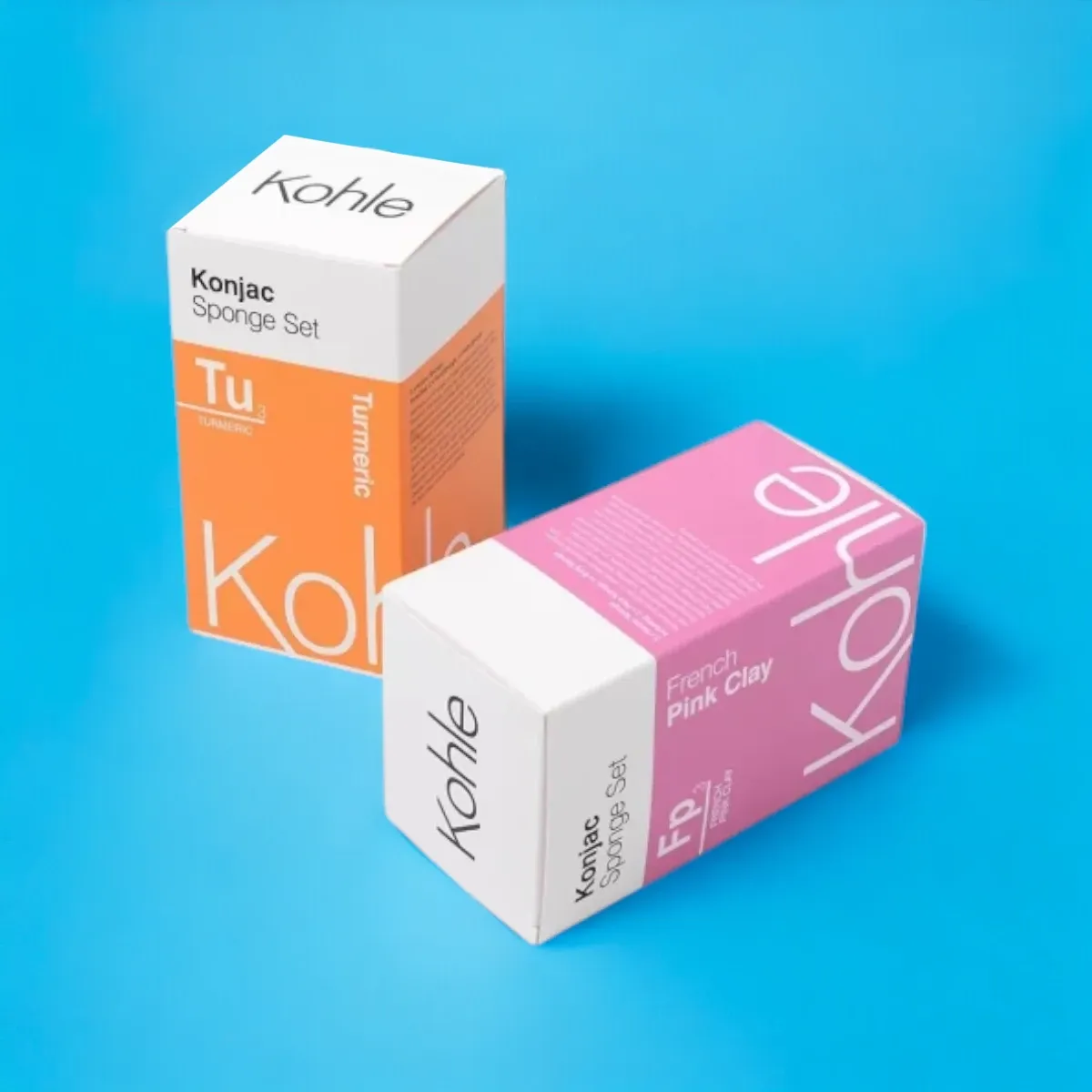
| Folding carton | One sheet of paperboard, die-cut and glued | Flat | Retail products, cosmetics, food, supplements |
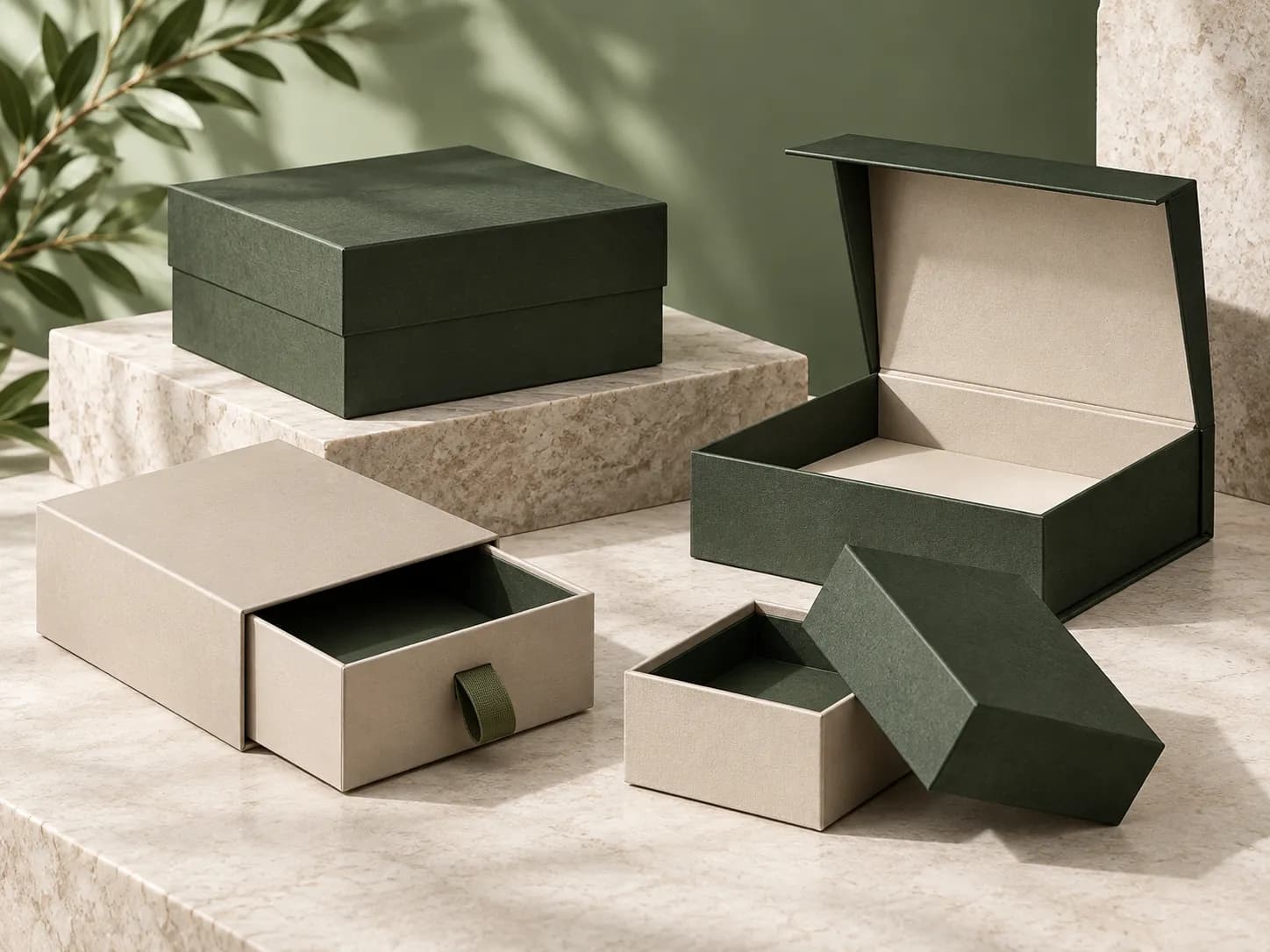
| Rigid box | Greyboard panels, paper-wrapped | Assembled, or flat if collapsible | Jewelry, fragrance, premium gifting, electronics |
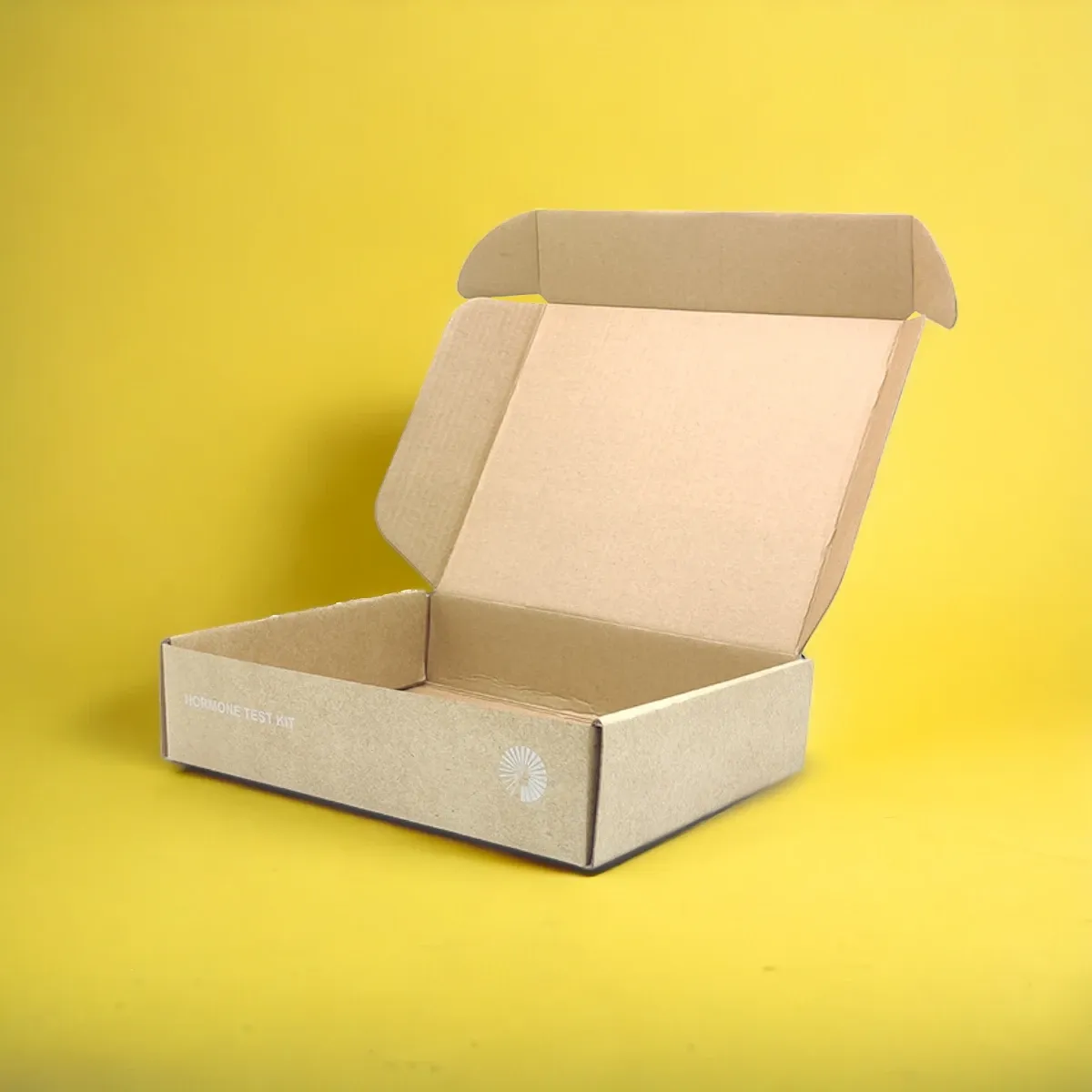
| Mailer box | Corrugated, integrated lid and wings | Flat | E-commerce shipments |
| Corrugated box | Fluted board between liners | Flat | Shipping, outer cases, heavier goods |
| Inserts | Board, foam, molded pulp or fabric | Flat or nested | Holding the product still inside any of the above |
If this is not settled, start with rigid boxes vs folding cartons and mailer boxes vs folding cartons. Getting it wrong is the most expensive mistake available, because it invalidates the tooling.
Step 2: build the specification
A specification a supplier can quote accurately contains all of these. Anything missing becomes an assumption, and assumptions are where quotes stop being comparable.
- Internal dimensions — length x width x depth of the space the product needs, stated in that order.
- Product weight and units per box.
- Construction, named specifically — not "a box" but "reverse tuck end carton" or "two-piece rigid box".
- Board and caliper, or a physical reference you want matched.
- Print — number of colors, or named Pantone references, and whether inside printing is required.
- Finishes — each one named, with the area it applies to.
- Insert — material and whether it is being quoted as part of the job.
- Quantity, plus the next break up so you can see the gap.
- Delivery address and any site restrictions.
- Artwork status — print-ready on a dieline, or a logo that needs artwork built.
What to put in a packaging RFQ turns this into a document you can send.
Step 3: issue the same brief to everyone
This is the step buyers most often skip, and it is the one that determines whether the exercise is useful. If each supplier receives a slightly different description, each will quote a slightly different box, and the cheapest number will belong to whoever assumed the least.
Send one document. Ask for the quote broken into setup and per-piece. Ask for the delivered cost. Ask for the overrun and underrun tolerance. Then you are comparing like with like — see how to compare packaging quotes.
Step 4: judge the supplier, not just the number
At wholesale volume you are entering a relationship, not making a transaction. The things that matter over a year are rarely visible in the unit price:
- Do they ask structural questions back, or just quote what you sent? A supplier who spots that your dimension has no clearance for the insert is worth more than one who does not.
- Will they provide a pre-production sample on the real board and process?
- Can they be specific about tolerances — color, dimension, quantity — rather than reassuring?
- Do they handle artwork properly, supplying a dieline and checking files before the press?
- What does a straight reorder of the same specification involve?
Step 5: agree the terms before production
These are the things that are easy to agree beforehand and difficult to resolve afterwards:
- What sample you will see, and whether it proves structure, color or both.
- Who signs off, and what happens to the schedule if sign-off is late.
- Overrun and underrun tolerance, and whether short delivery is acceptable.
- Color tolerance and how it will be judged.
- Palletization — cartons per pallet, pallet count, dimensions and weight.
- Delivery window and site access requirements.
- Who owns the tooling and what a reorder costs.
Starting smaller and scaling up
Not every wholesale relationship starts at wholesale volume. Custom Boxez produces from 50 boxes, which makes it practical to prove the specification on a small run — check the fit, the color, the feel, put it in front of a retail buyer — before committing to a quantity that ties up cash.
The sequence that works: small run to prove it, mid-sized run once the product is selling, then a scheduled program once demand is predictable. How to scale packaging from 100 to 10,000 covers what changes on the way.
The short version
Settle the construction, write a complete specification, send the same brief to everyone, ask for the split and the delivered cost, judge the supplier on the questions they ask, and agree the tolerances before production. Do those things and wholesale packaging becomes predictable.
Send your specification for a quote, or talk the construction through with Sophie first if it is not settled yet.
Terms used in this guide
- MOQ
- Minimum order quantity: the smallest number of units a supplier will produce for a given product in a single run. It exists because setup, tooling and press time are largely fixed regardless of how many pieces are produced.
- RFQ
- Request for quotation: the document a buyer sends suppliers to price a job. A packaging RFQ that can be answered accurately states dimensions, construction, board, print, finishes, quantities and the delivery destination.
- Setup cost
- The fixed cost of preparing a job to run — plates, dies, press make-ready and prepress — incurred once per run regardless of quantity. It is why the unit cost of a custom box falls as the order gets larger.
- Overrun and underrun
- The industry practice of delivering slightly more or fewer units than ordered, because press setup consumes material and output cannot be hit exactly. The accepted tolerance is stated by the supplier and appears on the quote.
- Pre-production sample
- A physical sample made on the specified board and process before the full run is authorized, so structure, fit, color and finish can be checked on the real material rather than on screen.
- Internal dimensions
- The usable space inside a finished box, always quoted length x width x depth. Packaging is specified by internal dimensions because that is what the product has to fit into; external dimensions vary with board thickness.
Questions
Related questions.
Anything not covered here, put it in the notes on your quote and we will answer it directly.
Ask on your quoteIs there a wholesale price list for custom boxes?
No. Every custom box is made to a specification, so the price depends on your dimensions, construction, board, print, finishes, quantity and delivery point. What you can get is a price for your box at your quantity, which is why a complete specification matters.
What is a typical minimum order for custom boxes?
Minimums vary by supplier and by construction, because they reflect the setup work involved. Custom Boxez produces from 50 boxes. Ask any supplier for their minimum on your specific construction rather than assuming a general figure.
How many suppliers should I get quotes from?
Three is usually enough to see the range without the exercise becoming a burden. What matters more than the number is that all of them receive the identical brief, otherwise the quotes describe different boxes.
Should I buy packaging and shipping cartons from the same supplier?
It can simplify things — one specification conversation, one delivery, and a supplier who can make the inner and outer work together dimensionally. Whether it is the best commercial answer depends on the quantities and the freight, so it is worth quoting both ways.
What does 'wholesale' actually change about the product?
Nothing about the box itself. It changes the economics — setup is spread across more units — and it changes the buying process, because at volume you are agreeing tolerances, schedules and reorder terms rather than placing a one-off order.
Keep reading
Related guides.
Packaging covered in this guide
Put it into a quote.
Start here
Send us your dimensions. We’ll send back a box.
Or talk to a packaging specialist: (209) 444-0744